Places · St. Catharines, Ontario
Published
Before St. Catharines worried about red lights, it had to get across the mud
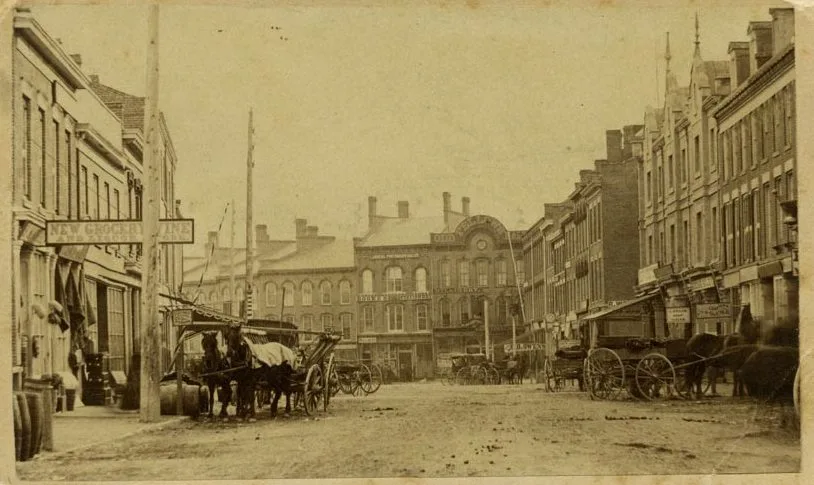
The Museum identifies Chestnut Street, now Carlisle Street, as St. Catharines’ first paved street in 1900. Asphalt over concrete, with a concrete curb and gutter, replaced a much messier street experience. Earlier residents used plank sidewalks and raised crossings around dirt, mud, dust and horse waste.
Facts checked
In this story
A green-light miracle has a long family history
A St. Catharines driver recently made it through both lights beneath the QEW on Geneva without stopping. “Lies. This is physically impossible,” came one local response. Another suggested a lottery ticket; the driver felt the available luck had already been spent on traffic lights. It was an entirely recognizable civic celebration.
A century earlier, a successful crossing could have meant something less glamorous than uninterrupted progress: reaching the other side without stepping into mud and horse waste. The Museum’s street history shows a city repeatedly trying to make ordinary journeys less irritating. Our ancestors had different obstacles, and considerably worse things on their shoes.
Source: Two green lights on Geneva Street
Source: Museum history, STC150 Roads
Carlisle began its paved life under another name
When St. Catharines became a city in 1876, the dirt streets were already a council concern. Rain could turn them muddy; dry weather could send up dust. Plank sidewalks and raised crossings helped people keep above the road’s less welcome contents. A frontage was not simply something to admire from across the street.
In 1900, Chestnut Street became the first paved street, according to the Museum. It is now Carlisle Street. Asphalt over concrete, with a concrete curb and gutter, changed the surface and how its edges worked. The unremarkable daily act of reaching a doorway had acquired a more dependable arrangement underneath it.
Source: Museum history, STC150 Roads
The watering wagon had a job, not a contradiction
A Court Street photograph around 1900 shows a horse-drawn watering wagon. Adding water to a dirt road sounds a curious cure until you consider the dry-weather dust. The same surface that became mud in rain needed moisture at other times. There was no single weather setting in which the road agreed to stop being troublesome.
Householders and businesses also cleaned manure and refuse from the frontage outside their properties. Maintenance involved animals, workers, equipment and repeated attention, not simply a decision by council that the road was now open. Paving was a significant change because it altered that everyday bargain between surface, weather and the people beside it.
Source: Museum history, STC150 Roads
The destination is still the other side
The Geneva celebration is not evidence of a measured fault in signal timing. It is people recognizing the same small delay in each other’s day. Someone mentioned a comparable triumph on Glendale; another simply advised taking the wins available. The scale of the event was part of the joke, and part of its charm.
On a downtown walk, look from doorway to sidewalk, curb and roadway, then at an old street photograph. The surfaces have changed more than the wish to cross them comfortably. Carlisle’s first paving belongs to that long improvement project. If the lights are green as well, you may feel the city has finally decided to cooperate.
Source: Two green lights on Geneva Street
Source: Museum history, STC150 Roads
Source: Two green lights on Geneva Street
Questions people ask
What was St. Catharines’ first paved street?
The Museum identifies Chestnut Street, now Carlisle Street, as St. Catharines’ first paved street.
Source: Museum history, STC150 Roads
What is Chestnut Street called now?
The former Chestnut Street is now called Carlisle Street.
Source: Museum history, STC150 Roads
When was it first paved?
The Museum dates the first paving of Chestnut Street to 1900.
Source: Museum history, STC150 Roads
What surface did the museum describe?
Asphalt over concrete, with a concrete curb and gutter.
Source: Museum history, STC150 Roads
When did St. Catharines become an incorporated city?
St. Catharines became an incorporated city in 1876.
Source: Museum history, STC150 Roads
Why were early crossings raised?
They helped walkers stay above muddy streets and refuse.
Source: Museum history, STC150 Roads
What were many early sidewalks made of?
Many early sidewalks used wooden planks to keep pedestrians above the muddy street.
Source: Museum history, STC150 Roads
Why would workers water a dirt road?
Water helped suppress dust on the dirt roads during dry weather.
Source: Museum history, STC150 Roads
Where and when was the watering-wagon photo taken?
Court Street, around 1900, according to the museum caption.
Source: Museum history, STC150 Roads
Why did horses make early St. Catharines street cleaning harder?
Horse traffic left manure as well as wear on dirt roads. The Museum describes early property owners cleaning in front of their premises.
Source: Museum history, STC150 Roads
Something changed? Tell us about a correction.